

Understanding the Role of Podiatrists in Correcting Improper Gait and Posture
Every step taken during daily routines relies on a complex sequence of kinetic movements that begin at the feet and resonate throughout the human skeleton. The human foot functions as an architectural foundation, comprising bones, tendons, ligaments, and muscular structures designed to support body weight while absorbing ground impact. When the feet contact the ground during movement, they dictate the angle and positioning of the ankles, knees, hips, and spinal column. Subtle irregularities in foot motion or weight distribution can disrupt physical alignment, leading to awkward walking patterns and compromised posture. Over time, individuals compensate for small foot imbalances by shifting their weight unnaturally, which places strain on higher joints. Recognizing the relationship between lower extremity mechanics and overall spinal health, many individuals turn to licensed podiatrists to pinpoint the fundamental causes of unnatural gait cycles. Walking appears automatic, yet an irregular gait can trigger structural problems that affect mobility and comfort. When walking mechanics deviate from natural biomechanical pathways, muscles throughout the calves, thighs, and lower back work harder to maintain balance and forward momentum.
Analyzing Biomechanical Alignment
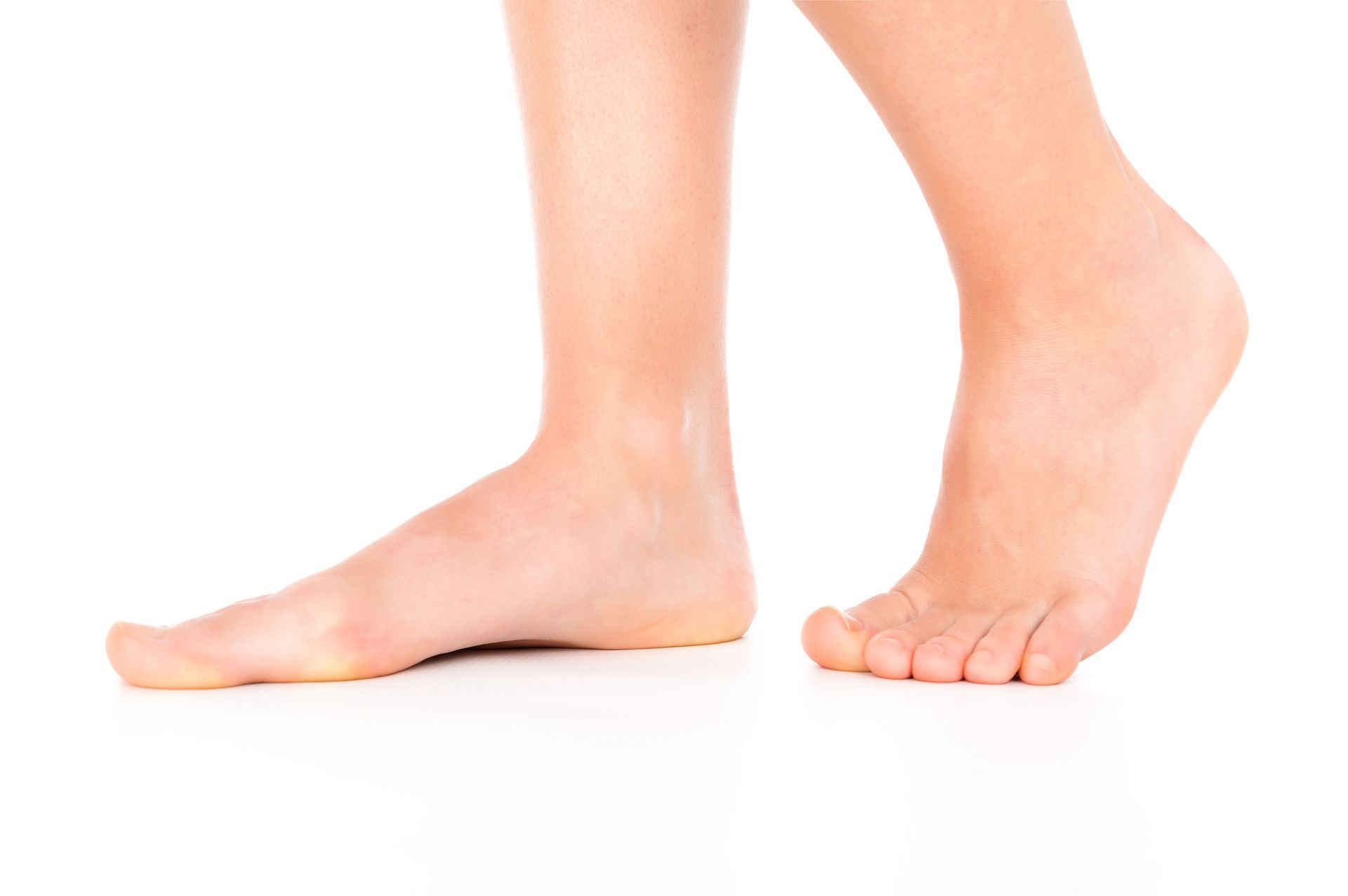
Comprehensive gait analysis begins with a clinical examination of how the lower limbs interact during motion. The human stride comprises distinct kinetic stages, including initial heel strike, mid-stance weight transfer, and toe push-off. During an in-depth biomechanical assessment, specialists observe the dynamic motion of the ankles, legs, and pelvis to identify deviations from healthy walking patterns. Practitioners evaluate whether the arches collapse excessively inward, known as overpronation, or tilt outward, referred to as supination. Both conditions disrupt the kinetic chain, altering the distribution of mechanical forces across the lower body.
To achieve precision during gait evaluations, podiatrists utilize digital pressure mapping plates, high-speed video capture, and kinetic sensors. Patients walk across pressure-sensitive platforms that illustrate precisely where weight concentrates during each phase of the stride. These diagnostic instruments produce objective visual data that expose localized pressure points, asymmetric strides, and uneven weight shifts that escape ordinary observation. By translating complex motion into quantifiable metrics, clinicians can diagnose specific mechanical flaws, explain the underlying causes of postural fatigue, and formulate targeted intervention plans.
Identifying Structural Foot Irregularities
Improper walking mechanics rarely emerge in isolation; they typically stem from underlying anatomical variations within the feet. Flat feet, rigid high arches, bunion deformities, hammertoes, and differences in limb length alter how shock forces travel upward into the skeleton. For example, individuals with collapsed longitudinal arches frequently experience internal rotation of the lower leg bones, which pulls kneecaps out of healthy tracking grooves and destabilizes the pelvis. Conversely, overly rigid foot arches fail to absorb operational shock, transmitting unbuffered kinetic vibrations directly into the hips and lower lumbar vertebrae.
Recognizing how specific anatomical formations dictate functional movement, experienced podiatrists conduct hands-on examinations alongside radiographic imaging to inspect joint flexibility, ligament laxity, and bone geometry. Clinicians assess passive range of motion in the subtalar and ankle joints, noting whether tight calf musculature restricts upward flexion of the foot. Pinpointing these anatomical deviations clarifies why certain muscle groups become chronically fatigued while others remain underutilized. Establishing an accurate structural diagnosis ensures that corrective measures target the root cause of postural distortion rather than merely soothing superficial symptoms.
Prescribing Custom Orthotic Solutions
Once structural and functional assessments are complete, creating supportive devices represents a powerful clinical approach to correcting kinetic imbalances. Unlike generic over-the-counter inserts that provide rudimentary cushioning, medical-grade custom orthotics are precision-crafted appliances designed to realign the skeletal structure of the foot and ankle. These specialized devices control joint motion, cradle the heel cup, redistribute ground reaction forces, and support specific arch profiles during active movement. By restoring optimal alignment at the foundation, custom orthotics prevent cascading mechanical misalignments that cause chronic hip and spinal strain.
Despite the transformative benefits of professional foot intervention, many people delay scheduling clinical evaluations for persistent lower extremity issues. According to the Podiatric Medical Board of California, merely 25% of individuals nationwide facing lower limb discomfort pursue medical evaluations, and approximately 12% consult a dedicated specialist, even though 60% of those suffering from heel discomfort experience challenges during regular daily routines. To counter these widespread issues, podiatrists design tailored orthotics that alter faulty movement pathways, stabilize unstable joints, and restore natural posture during everyday ambulation. Utilizing precision orthotic therapy allows patients to walk comfortably, maintain symmetrical weight balance, and resume their favorite physical activities.
Recommending Targeted Rehabilitation Exercises
Correcting a dysfunctional gait requires restoring strength, flexibility, and coordination to the supportive soft tissues of the lower extremities. When walking mechanics have been compromised for extended periods, certain muscle groups shorten and tighten, while opposing muscles become elongated and chronically weakened. For instance, chronic overpronation often correlates with restricted Achilles tendons and underdeveloped posterior tibial muscles, impairing the foot ability to stabilize itself during toe-off. Without targeted conditioning, muscular imbalances perpetuate faulty posture even after supportive footwear modifications are implemented.
To re-establish muscular equilibrium, skilled podiatrists prescribe progressive stretching routines, eccentric strengthening exercises, and proprioceptive drills tailored to individual physical capabilities. Dynamic balance training on unstable surfaces retrains the deep intrinsic muscles of the foot while sharpening neuromuscular communication between the lower extremities and the nervous system. Lengthening shortened calf tissues and strengthening ankle stabilizers helps restore natural joint mobility and encourages fluid stride mechanics. Integrating these rehabilitation regimens into daily habits reinforces skeletal alignment, enhances endurance, and secures lasting postural stability.
Preventing Chronic Musculoskeletal Strain
Leaving an abnormal walking pattern unaddressed can trigger widespread mechanical wear that extends far beyond the arches and ankles. Because the human musculoskeletal system operates as a continuous kinetic unit, uneven pressure at the base inevitably forces the entire skeletal framework to adapt. Chronic pelvic tilting, leg length discrepancies, and asymmetric stride cadences generate uneven friction inside the hip sockets and compress spinal discs asymmetrically. Over years of repetitive movement, these mechanical compensations accelerate cartilage breakdown and contribute to conditions such as sciatica and chronic lumbar fatigue.
Through timely intervention, diagnostic diligence, and comprehensive gait re-education, podiatrists protect patients against debilitating degenerative joint conditions. Aligning lower limb kinematics eliminates excessive torsional forces, enabling knee joints to track naturally and reducing asymmetric strain across the lower back. Patients frequently discover that correcting their foot posture alleviates long-standing aches in their hips and spine that had previously resisted conventional care. Investing in professional gait correction preserves cartilage health, enhances natural physical balance, and promotes a lifetime of active mobility across every phase of life.
The human body operates in profound harmony, and the physical alignment of your feet fundamentally governs the comfort, balance, and stability of your entire musculoskeletal frame. Overlooking subtle symptoms of improper gait, such as uneven shoe wear, recurring ankle instability, or persistent lower back tension, allows minor structural discrepancies to evolve into widespread bodily discomfort. Enlisting the specialized knowledge of experienced podiatrists ensures that mechanical flaws are thoroughly evaluated, accurately diagnosed, and effectively corrected through individualized therapeutic strategies. From digital gait analyses and custom-tailored orthotics to targeted muscular conditioning, professional care re-establishes natural balance and revitalizes overall physical posture.
Restoring functional movement patterns transforms your daily quality of life, allowing you to walk, run, and stand with renewed ease and energy. Addressing faulty gait mechanics early shields your joints from premature wear and ensures that every step you take supports overall skeletal health. If you are ready to correct your walking posture and experience lasting relief from lower body strain, contact us at High Point Foot Center today. We will help you restore natural alignment and achieve dependable physical comfort through dedicated lower extremity care.

Share On: